Guides
ShipBob-Konkurrenten: 10 zuverlässige Alternativen für wachsende E-Commerce-Marken
Das Wichtigste in Kürze
ShipBob ist eine zuverlässige E-Commerce-Fulfillment-Plattform, aber je nach Ihren Anforderungen, wie Preistransparenz, schnellere SLAs, Shopify-Integrationen oder globale Reichweite, können Anbieter wie Gonini, ShipMonk, Deliverr, ShipStation Fulfillment, Red Stag oder Easyship besser geeignet sein.
Unser Team hat eine detaillierte Aufschlüsselung der besten ShipBob-Alternativen für wachsende E-Commerce-Marken zusammengestellt. Entdecken Sie die Liste, um zu sehen, welcher Fulfillment-Partner die richtige Mischung aus Preisen, Funktionen und Skalierbarkeit für Ihr Unternehmen bietet.
Bereit für Wachstum? Entdecken Sie, wie Gonini Ihr Fulfillment vereinfacht!
Die wichtigsten Punkte
- ShipBob betreibt ein globales Netzwerk von mehr als 45 Fulfillment-Zentren in den Vereinigten Staaten, Kanada, Europa und Australien.
- 2025 meldete ShipBob einen Anstieg von 40 Prozent gegenüber dem Vorjahr bei den erfüllten Bestellungen während der Hochsaison von Thanksgiving bis Cyber Monday, was ihre bisher größte Hochsaison darstellt.
- ShipBob hat über 200 Millionen Bestellungen bearbeitet, mit einer gemeldeten 99,97 % Fulfillment-Genauigkeit und einer pünktlichen Lieferquote von 99,6 %.
- Obwohl die Zahlen beeindruckend sind, suchen E-Commerce-Marken hauptsächlich aufgrund hoher oder unerwarteter Kosten, schlechten Kundenservices und operativer Fehler wie verlorenem Lagerbestand oder verzögerten Lieferungen nach Alternativen.
- Marken mit übergroßen oder schweren Produkten suchen oft nach Alternativen, da das Modell von ShipBob für kleine bis mittelgroße Pakete optimiert ist.
- Eine der jüngsten Beschwerden über ShipBob lautete ShipBob nimmt kleine Marken auf, die nur 50 bis 100 Bestellungen pro Monat versenden, obwohl diese Konten unrentabel sind und die meisten negativen Bewertungen und Abwanderungen verursachen.
Warum E-Commerce-Marken nach ShipBob-Alternativen suchen
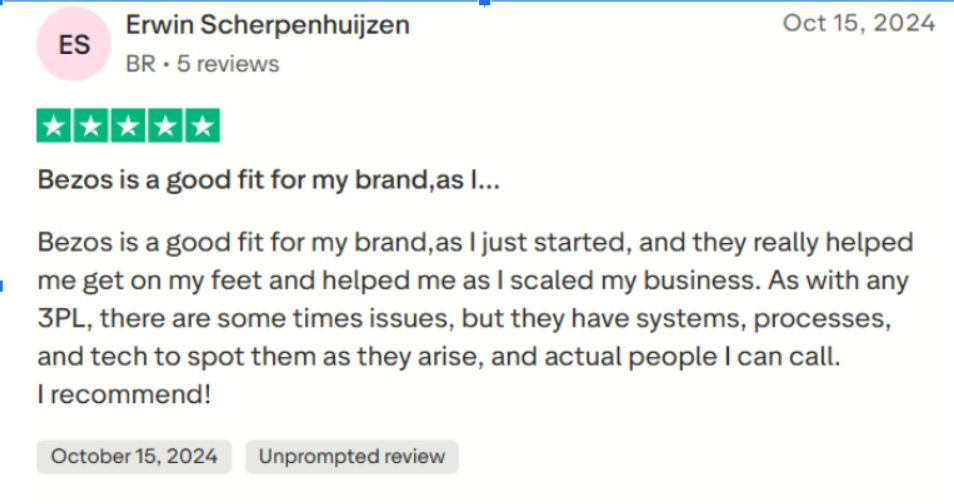
Insgesamt hat ShipBob auf TrustPilot eine Bewertung von 4,2 basierend auf 911 Rezensionen.
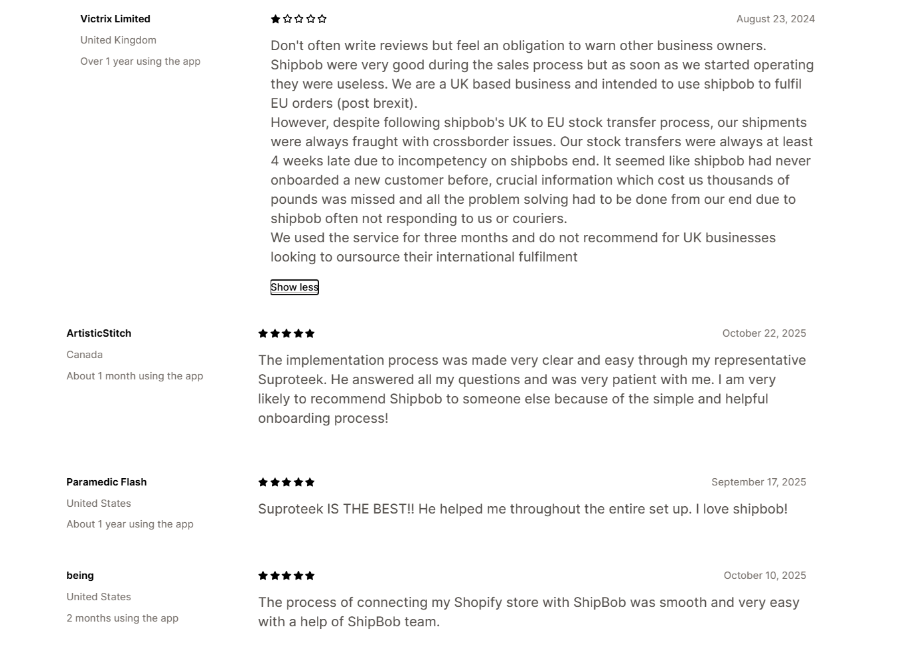
Die Stimmung ist positiv und Kunden loben die Tatsache, dass sie sehr reaktionsschnell auf Kommentare reagieren.
Doch selbst zufriedene Nutzer entscheiden sich manchmal für einen Anbieterwechsel. Häufige Gründe sind der Bedarf an transparenteren Preisen, eine höhere SLA-Konsistenz in Spitzenzeiten, flexiblere Arbeitsabläufe für komplexe SKUs oder eine bessere internationale Abdeckung, wenn ihre Marke expandiert.
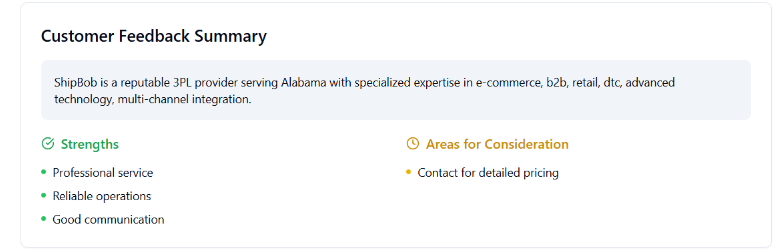
Kundenfeedback wurde von ecommercejolt.com zusammengefasst, und es gibt auch eine laufende Reddit-Diskussion, die seit mehreren Jahren andauert und eine Mischung aus positiven Erfahrungen und Bedenken verschiedener Nutzer bietet.
Reddit-Feedback deutet darauf hin, dass ShipBob zwar starke Technologie, Integrationen und Fulfillment-Infrastruktur bietet, aber mehrere Marken, insbesondere solche mit nicht-standardisierten SKUs oder solche, die empfindlich auf Kostenprognosen reagieren, Probleme melden.
Häufige Muster bei ShipBob: Kostenüberraschungen (insbesondere bei Volumengewicht und Verpackung), Fehlbestände oder Versandpannen sowie unterschiedlicher Kundensupport/Ausstiegsprozesse.
Der häufigste Engpass von ShipBob, der in den Online-Bewertungen erwähnt wird, ist die SLA-Konsistenz..
Händler behaupten, sie erleben verzögerte Wareneingänge, langsamere Bearbeitung an Stoßtagen oder unerwartete Bearbeitungszeiten.
Ein weiterer Punkt ist die Preistransparenz.ShipBob ist nicht der einzige 3PL-Anbieter mit variablen Gebühren, aber einige Unternehmen wünschen sich berechenbarere monatliche Kosten.
Wenn man Lagerung, Kommissionierung, Verpackung und saisonale Anpassungen hinzurechnet, kann es schwieriger sein, die tatsächlichen Ausgaben für die Auftragsabwicklung zu prognostizieren.
Einige der neuesten ShipBob-Bewertungen teilen diese Ansicht und erwähnen Fälle, in denen die Fulfillment-Kosten fast doppelt so hoch waren.
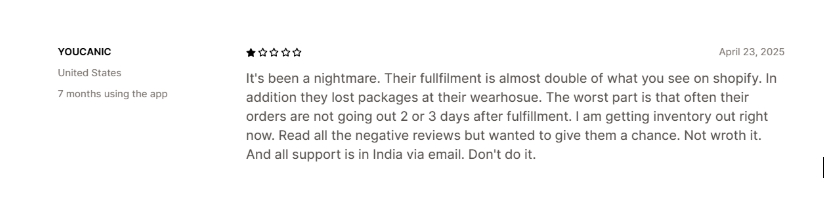
Marken, die übergroße oder schwere Artikel verkaufen, suchen sich meist andere Anbieter, wie auch auf Reddit diskutiert wurde. ShipBob konzentriert sich auf kleine bis mittelgroße Pakete, daher werden sperrige Güter teuer in Lagerung und Versand.
Viele Gründer, die Möbel, Fitnessgeräte oder schwerere Ausrüstung vertreiben, wenden sich an Nischen-3PLs, die auf große Artikel spezialisiert sind.
Vergleichstabelle: ShipBob vs. Top-Wettbewerber
Sehen wir uns nun einen detaillierten Vergleich an:
Worauf Sie bei einer ShipBob-Alternative achten sollten
Die Wahl des richtigen ShipBob-Wettbewerbers hängt von Ihren aktuellen Bedürfnissen ab und davon, was Sie benötigen werden, wenn die Bestellungen wachsen. Kleine Details wie Versandgeschwindigkeit, Supportqualität und Integrationen prägen direkt, wie Kunden Ihre Marke erleben.
- Erschwinglichkeit für kleine Unternehmen → einfache Preisgestaltung + niedrige Mindestmengen → stellt sicher, dass Sie unerwartete Gebühren vermeiden und ohne hohe Vorabinvestitionen skalieren können.
- Transparenz bei Kommissionierung und Lagerung → klare Grundgebühren + vorhersehbare monatliche Kosten → hilft Ihnen, Margen zu erhalten und Ausgaben genau zu prognostizieren.
- Kern-Fulfillment-Leistung → schneller Wareneingang + präzise Kommissionierung → reduziert Verzögerungen und verhindert Kundenbeschwerden.
- Retouren- und Workflow-Abwicklung → reibungslose Retouren + Unterstützung für Kits/Bundles → hält den Betrieb effizient, wenn Sie Abonnement- oder Mehrfacheinheitenprodukte verkaufen.
- Integrationen mit Shopify und Amazon → Shopify-native Workflows + Amazon SFP-Unterstützung → reduziert manuelle Arbeit und hält Bestellungen korrekt synchronisiert.
- Marktplatz-Kompatibilität → stabile Integrationen über alle wichtigen Kanäle → verhindert Fehler beim Multichannel-Verkauf.
- Sendungsverfolgung und Lieferzuverlässigkeit → stabile SLAs + proaktive Verzögerungswarnungen → erhöht das Kundenvertrauen und reduziert „Wo ist meine Bestellung?“-Tickets.
- Klare Sendungsverfolgungs-Updates → Echtzeit-Transparenz + präzise Scans → hilft Ihrem Support-Team, Probleme schneller zu lösen.
- Internationale Fulfillment-Fähigkeit → Lager in mehreren Regionen + Zoll-Expertise → verkürzt grenzüberschreitende Lieferzeiten und reduziert Zollprobleme.
- Globale Spediteurabdeckung → regionales Routing + vergünstigte Tarife → hält den internationalen Versand wettbewerbsfähig.
- Multi-Node-Fulfillment → Möglichkeit zur Aufteilung des Lagerbestands + automatische Routenplanung → beschleunigt die Lieferung und senkt die Versandkosten auf nationalen und internationalen Märkten.
- Skalierbarkeit → einfache Erweiterung um neue Zentren bei Wachstum → vermeidet den späteren Wechsel des 3PL-Anbieters.
- Auswirkungen auf das Kundenerlebnis → gute Verpackung + pünktliche Lieferung → steigert die Wiederkaufsraten.
- Einfache Retouren → einfacher Retouren-Workflow + klare Kommunikation → erhöht die Kundenzufriedenheit und den Customer Lifetime Value.
Entdecken Sie intelligentere E-Commerce-Lagerhaltung mit Gonini
Die besten ShipBob-Alternativen für 2026
Was sind die am besten bewerteten Alternativen zu ShipBob für die E-Commerce-Auftragsabwicklung mit transparenter Preisgestaltung und zuverlässigen Lieferzeiten?
Gonini
Für wen es am besten geeignet ist
Gonini ist ideal für kleine und mittelständische E-Commerce-Marken, die eine vorhersehbare Preisgestaltung, reibungslose Multichannel-Integrationen und einen Fulfillment-Partner suchen, der auf internationales Wachstum ausgelegt ist. Es eignet sich gut für Teams, die regionale Lager, eine zuverlässige Zollabwicklung, schnelle SLAs in mehreren Ländern und eine klare Übersicht über Bestellungen und Lagerbestände benötigen. Es ist auch ideal für Verkäufer, die eine proaktive Problemlösung, ein engagiertes Account Management und eine skalierbare Einrichtung ohne zusätzliche operative Komplexität schätzen.
Andererseits ist Gonini nicht die beste Wahl für Marken, die stark auf komplexe B2B-Logistik, hochgradig angepasste Verpackungsabläufe oder Supply-Chain-Systeme auf Unternehmensebene angewiesen sind, die tiefe, maßgeschneiderte Integrationen erfordern.
Es könnte auch für sehr frühe Hobby-Verkäufer mit extrem geringem Bestellvolumen weniger geeignet sein, und einige Händler bevorzugen Anbieter mit öffentlicheren Preisdaten oder einer längeren Erfolgsbilanz auf dem US-Markt.
Kernfunktionen
Gonini verbindet über 30 Vertriebskanäle und Marktplätze mit einem Netzwerk von rund 63 Fulfillment-Zentren in 16 Ländern, darunter Großbritannien, die EU, die USA, Kanada, Australien und die VAE. Bestellungen werden automatisch von Shopify, Amazon und anderen Plattformen synchronisiert und von der Bestellung bis zur Lieferung in einem einzigen Dashboard verfolgt.
Preisübersicht
Gonini verwendet ein transparentes, angebotsbasiertes Modell das Lagerung, Kommissionierung und Verpackungund umweltfreundlichen Versand into predictable fees for SMBs.
It positions itself as more affordable than many traditional 3PLs for smaller and mid-sized brands, while still offering discounted carrier rates.
Gonini's the reasonable ShipBob alternative for 2026 for small and mid-sized brands that want automation, SLAs, and transparent costs that scale with them.
When it comes to prices, Gonini often stands out in that comparison because it focuses on predictable fees and SLA-backed service rather than just warehouse count.
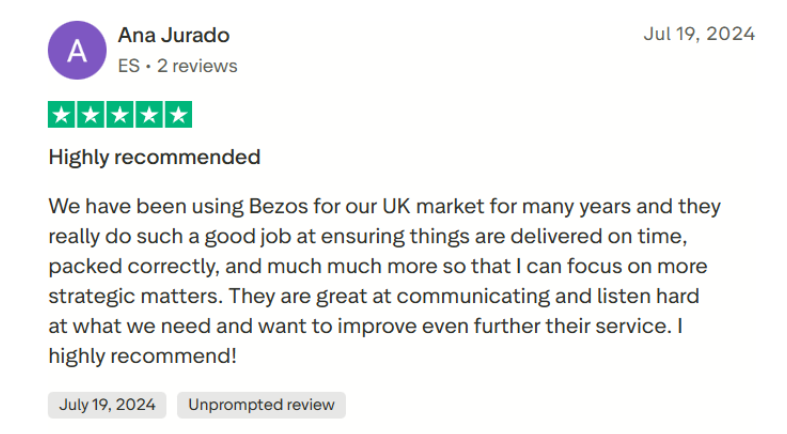
Reviews
ShipMonk
Who it is best for
ShipMonk is a strong fit for DTC and subscription-based brands because it supports multichannel selling across platforms like Shopify, Amazon, and Walmart, offers real-time inventory visibility, and handles complex workflows such as kits, bundles, and subscription packaging.
Its Virtual Carrier Network helps optimise shipping rates as order volume grows, and its infrastructure scales well as brands expand.
However, ShipMonk may feel pricey for very small brands, its tiered pricing can get complex to predict, and some merchants note that costs rise quickly at low volumes. Custom packaging or specialised workflows may add extra fees, and because support quality varies by account manager, the experience is not always consistent across all clients.
Core features
ShipMonk offers ecommerce, subscription box, retail, and FBA prep fulfillment across multiple US and international warehouses. Its Virtual Carrier Network uses multiple carriers to find cheaper and faster routes. The platform connects to major ecommerce tools and marketplaces, giving merchants real-time inventory and order views.
Pricing overview
ShipMonk uses tiered pricing based on monthly order volume, storage, and service complexity. Per-order pick and pack fees decrease as volume rises. Exact numbers are not public by default and are usually provided by quote.
ShipMonk shines when you need one partner to handle DTC, subscription, and wholesale orders on the same backbone.
Deliverr (via Shopify / Flexport)
Deliverr is a particularly strong option for ecommerce brands that sell heavily through Shopify and other major marketplaces and aim to offer fast 1- or 2-day (or even next-day) delivery to boost conversion and competitiveness. Its wide U.S. footprint, support for fast shipping tags, and integrations make it well suited for merchants prioritizing speed in domestic fulfilment.
Users praise the fast shipping options, transparent cost-estimating tools, and simplified fulfilment workflows.
On the flip side, Deliverr may be less suitable for brands that require high levels of branding control, custom packaging, returns handling, or international shipping ,some reviews point out that service quality can vary because fulfillment is delivered via third-party warehouses, and smaller or niche brands may find the cost-benefit less compelling.
Core features
Deliverr, now part of Flexport and closely tied to Shopify’s fulfillment offering, supports ultra-fast shipping for orders coming from Shopify, Amazon, Walmart, and other channels. It uses demand forecasting and smart inventory placement to position stock closer to customers and power fast delivery badges.
Pricing overview
Historically, Deliverr used clear SKU-based and zone-based pricing for storage and fulfillment, with pay-as-you-go style fees. Under Flexport and Shopify, merchants still receive simple, volume-based quotes with a focus on predictable costs for fast shipping.
Deliverr, now under Flexport and Shopify, is ideal when delivery speed and checkout conversion are your biggest levers.
ShipStation Fulfillment
Who it is best for
ShipStation Fulfillment is well suited for merchants who still manage part of their fulfillment in-house but want stronger shipping automation, easier label creation, and smarter carrier management without immediately committing to a full 3PL transition. It works especially well for sellers already using
ShipStation’s software, since the workflow stays familiar while partner warehouses can take over picking and packing as needed.
Users appreciate the flexibility, broad carrier options, and the ability to run hybrid operations. However, the experience can vary significantly depending on which partner 3PL handles the physical fulfillment, meaning consistency isn’t guaranteed.
Some merchants also note that costs can rise with higher shipment volumes or add-ons, and that ShipStation isn’t a full end-to-end 3PL solution, so brands needing deep customization or heavy operational support may outgrow it.
Core features
ShipStation was built as shipping and label management software rather than a classic 3PL. It offers multi-carrier rate shopping, automated shipping rules, batching, and tracking notifications. Some merchants pair ShipStation with partner warehouses to handle pick and pack under the “ShipStation Fulfillment” umbrella.
Pricing overview
Pricing is subscription-based for the software, with tiers determined by shipment volume and features. Fulfillment and warehousing charges are handled through linked 3PL partners and are quoted separately.
ShipStation Fulfillment works best when you want ShipBob-level shipping automation but still prefer to keep your own warehouse or chosen 3PL partners.
Red Stag Fulfillment
Who it is best for
Red Stag Fulfillment stands out for ecommerce brands shipping heavy, oversized, fragile, or high-value items, thanks to its high accuracy guarantees, specialized handling processes and tailored infrastructure. For example, many reviews highlight that Red Stag delivers “industry-low error rate” and “excellent operational transparency” when dealing with large or difficult SKUs.
Its warehouse operations are optimized for bulky items-custom-fitted boxes, heavy-duty packaging, and staff trained for high-value shipments are all emphasized.
This makes it a particularly strong fit for brands selling furniture, fitness equipment, large electronics or any product where damage or error is very costly. On the downside, Red Stag is less suited for smaller, lightweight goods where its pricing and operational model may not deliver optimal cost-efficiency-reviews note that its software interface could be less intuitive, its warehouse footprint is smaller (primarily U.S. only) and onboarding may require higher minimums or a stronger operational baseline.
Core features
Red Stag specializes in big, heavy, or oversized goods, like furniture, gym equipment, and large electronics. It runs fulfillment centers in Tennessee and Utah, strategically placed to cover US shipping zones with fast ground timelines. It also offers strong accuracy guarantees and is frequently rated as a top 3PL for heavy products.
Pricing overview
Red Stag uses custom quotes based on product size, weight, and order volume. It negotiates strong carrier discounts for heavy parcels, which can offset higher base fees.
Red Stag is a top ShipBob alternative when your products are heavy enough that most 3PLs struggle to ship them profitably.
Easyship
Who it is best for
Easyship is ideally suited for ecommerce brands with a strong international customer base that need flexible cross-border shipping, duty and tax visibility, and access to multiple courier options. Its platform supports over 550 couriers globally, enables merchants to view duties and taxes upfront, and integrates easily with major ecommerce platforms, making it a good match for sellers scaling globally or shipping to many countries.
On the positive side, users like that Easyship’s user interface is intuitive, that it offers a large range of courier choices, and that it gives visibility before checkout about duties/taxes and shipping cost.
On the flip side, many reviews highlight that because Easyship outsources fulfillment to partner 3PLs rather than managing all warehouse operations itself, the level of service can vary. Some users report unexpected fees, slower support, or fulfillment inconsistencies depending on the partner warehouse.
Therefore, Easyship works best when global shipping flexibility is your primary need, but if your brand demands tight control over warehousing, uniform service levels, or large-scale enterprise fulfilment with dedicated fulfillment centers, you may want to evaluate whether Easyship meets your reliability and support expectations.
Core features
Easyship combines global shipping software with a network of warehouses in regions like the US, Canada, Europe, and Asia-Pacific. It offers access to 550+ courier services, discounted rates, customs support, and branded tracking experiences, plus warehousing and fulfillment options for cross-border ecommerce.
Pricing overview
Easyship has SaaS plans with monthly fees tied to shipment volume, plus fulfillment and warehousing charges when you use its 3PL services. Shipping rates benefit from Easyship’s negotiated courier discounts.
Easyship is a top ShipBob alternative for brands that treat international customers as a core part of their growth, not a side project.
Flexport
Who it is best for
Flexport is ideally suited for mid-sized to enterprise ecommerce brands that need an end-to-end logistics solution combining freight forwarding, international inventory distribution, and fulfillment under a single platform. Its strengths include real-time visibility into shipments, strong global network capabilities, and technology tools that support complex supply chains. For example, users praise its portal for tracking, quote-comparison, and landed-cost visibility.
However, some reviews suggest that pricing can be higher than traditional freight-only brokers, smaller clients may receive less dedicated support, and the onboarding or fulfillment portions can be less consistent when scaled globally.
Therefore, Flexport fits best when you have substantial shipping volume, need international reach, and want logistics and fulfillment integrated,not as a first step for very small DTC brands without a global supply-chain component.
Core features
Flexport offers end-to-end logistics. It covers freight, customs, distribution, and ecommerce fulfillment in one integrated platform. It also absorbed Shopify Logistics and Deliverr, which adds a fast ecommerce layer to its broader freight network.
Pricing overview
Flexport uses contract and quote-based pricing. Costs depend on freight volume, lanes, storage needs, and fulfillment complexity. It is often better suited to brands that already operate at a certain scale and can benefit from unified freight and fulfillment.
Flexport is the natural ShipBob alternative if you see logistics as a full supply chain project, not just a warehouse problem.
eFulfillment Service
Who it is best for
eFulfillment Service is best suited for small businesses, crowdfunding campaigns, and growing brands that want a low-commitment, budget-friendly fulfilment partner with no minimum order requirements and simple, transparent pricing.
Its pay-as-you-go model and lack of setup fees make it very accessible for new or seasonal sellers, and many reviews highlight its clear pricing and easy onboarding.
However, EFS operates a smaller warehouse network, which can lead to slower shipping times and limited geographic coverage, and some users report slower receiving, occasional processing delays, and scalability challenges once order volume grows. Because of this, it works well for small brands but may be less ideal for high-volume or speed-focused ecommerce operations.
Core features
eFulfillment Service has been serving ecommerce brands for over 20 years. It offers ecommerce fulfillment, returns handling, FBA prep, and international shipping help. It is well known for having no setup fees, no long-term contracts, and no order minimums, which is rare in the 3PL space.
Pricing overview
The company uses a pay-as-you-go model. You pay for receiving, storage, pick and pack, and shipping, with no minimum order requirements and no setup fees. This structure makes costs easier to control for small and seasonal brands.
eFulfillment Service is one of the easiest ShipBob alternatives to “test drive” when you are just getting started or have fluctuating volume.
ShipNetwork (Rakuten Super Logistics)
Who it is best for
ShipNetwork is best for U.S.-focused ecommerce brands that place high priority on fast domestic delivery-especially those seeking one-to-two-day ground shipping across most of the country. Reviewers cite its nationwide warehouse network and optimized shipping routes as strong advantages. For instance, one industry analysis states it offers “1-2 day ground delivery to 98% of the U.S.”
On the plus side, merchants appreciate its integration with major ecommerce platforms, support for kitting and subscription-box workflows, and a fairly high rating (4.2 out of 5) on Trustpilot for its shipping and operational capabilities.
However, limitations arise for small or early-stage brands: some reviews highlight inventory inaccuracies, inconsistent performance across warehouse locations, steep minimum volume requirements, unclear pricing, and slower responsiveness in customer support.
Core features
ShipNetwork, previously known as Rakuten Super Logistics, runs a network of US warehouses and uses its Xparcel service to reach about 98 percent of US customers in one to two days with optimized ground shipping. It offers ecommerce integrations, inventory tracking, and a focus on DTC brands.
Pricing overview
ShipNetwork provides custom quotes, often with a minimum monthly order volume threshold. Pricing reflects storage, pick and pack, and shipping via its Xparcel products.
ShipNetwork is a strong ShipBob competitor when your priority is one to two day delivery to almost all US customers.
Fulfillment by Amazon (FBA)
Who it is best for
FBA is best suited for brands that are deeply focused on selling via Amazon and want access to Prime-eligible shipping, broad customer trust and streamlined fulfilment where Amazon handles storage, picking, packing, shipping and returns. Users frequently highlight benefits such as the Prime badge boosting conversion rates, Amazon’s large customer base, and the convenience of letting Amazon manage logistics.
On the flip side, brands report several trade-offs: high fulfilment and storage fees can eat into margins, you have limited control over packaging and brand experience, inventory must meet Amazon’s strict receiving and storage rules, and dependency on the Amazon ecosystem can reduce brand independence.
Core features
FBA lets you store inventory in Amazon warehouses. Amazon then handles picking, packing, shipping, customer service, and returns for orders placed on Amazon. It offers Prime shipping, which can significantly improve conversion rates for Amazon shoppers.
Pricing overview
FBA charges storage fees, fulfillment fees per unit, and extra costs for long-term storage, removal, and certain product categories. For high Amazon volume, it can be cost-effective, but brands must watch storage and fee tiers closely.
FBA is less of a classic ShipBob alternative and more of a must-consider option if Amazon is already the heart of your sales strategy.
ShipBob vs Gonini (Deep Dive)
Both ShipBob and Gonini are tech-driven 3PLs. They help ecommerce brands store inventory, pick and pack orders, and ship across multiple markets. The main differences show up in pricing clarity, automation, and how well each platform supports fast growth across regions.
Pricing comparison
ShipBob uses an à la carte model. You pay for receiving, storage, pick and pack, and shipping as separate line items. Public breakdowns show storage from around $5 per bin, $10 per shelf, and $40 per pallet per month, with receiving billed by the hour and extra pick fees once you go beyond the first few items per order.
Gonini leans into simplicity. Its pricing model combines a monthly technology subscription with straightforward fulfillment charges based on actual usage. The company highlights no hidden fees, transparent structure, and, in many cases, no long-term contracts or minimum order volumes.
For SMBs and mid-sized brands, that kind of clarity can make planning easier. It reduces surprises when order volume spikes.
Shipping speed
ShipBob is strong on US delivery speed. It offers two day express coverage across the contiguous United States, using a mix of ground, air, and regional carriers. It can also show two day badges and delivery estimates on connected ecommerce storefronts.
Goninifocuses on fast and predictable shipping across multiple regions. It operates 63 fulfillment centers in 16 countries, including the UK, EU, US, and other key markets. Its cross-border resources highlight that brands can save up to 80 percent on international orders while keeping delivery times competitive.
For US-only brands, ShipBob can perform very well.
For brands that already ship to Europe or plan to expand there soon, Gonini often offers a smoother path.
Customer support
ShipBob provides account management and a central dashboard. Many brands report positive onboarding and solid support. Others mention slower responses during busy seasons or growing pains once order volumes increase. Third-party reviews often describe the experience as good, but sometimes inconsistent for smaller or rapidly changing stores.
Gonini positions itself as an extension of the merchant’s team. Its materials emphasize a dedicated account manager, flexible support, and real-time visibility into orders and inventory.
Case studies mention lower support ticket volumes, with one example quoting a 46 percent reduction in tickets after moving to Gonini.
For growing ecommerce brands, fewer tickets and clear points of contact reduce stress. It also frees teams to focus more on marketing and product instead of chasing warehouse issues.
Automation capabilities
ShipBob uses proprietary software to manage inventory, orders, and routing. It offers real-time inventory views, automated picking workflows, and algorithms that power two day shipping coverage in the US. Merchants can connect major ecommerce platforms and manage most operational tasks from a single interface.
Gonini is also tech-first. It uses AI to detect and resolve issues in advance, optimize inventory placement, and prevent missed SLAs, including for Amazon-related fulfillment. Its platform centralizes inventory, orders, and delivery tracking across 63 sites, and is built to surface problems before they become costly.
International reach
ShipBob has a growing global footprint. It operates fulfillment centers in the US and key international regions, including the UK and parts of Europe. It supports cross-border shipping and two day delivery within certain geographies, especially for US customers.
Gonini is built around international fulfillment from the start. Its 63 centers across 16 countries give brands immediate reach into the UK, EU, US, Canada, Australia, and other markets.
Resources highlight reduced customs delays, better stock placement across borders, and transparent cross-border pricing.
For brands that want Europe plus North America under one umbrella, Gonini often feels more native and less like a US-first tool that expanded later.
Ready for an expansion? Choose the right location for your business
Who wins for fast-growing ecommerce brands?
For fast-growing ecommerce brands that do not want to keep switching 3PLs every few years, Gonini is usually the better long-term fit. It supports small and mid-sized merchants, helps them scale into new countries, and keeps pricing and SLAs clear enough to protect margins.
So, the answer to that is clear. But, for early-stage brands that want a familiar name and plan to ship mainly within the US, ShipBob can be a comfortable starting point. It offers solid two day shipping, a known interface, and a network that many merchants already trust.
As brands grow, they start to care more about cost control, automation, and global reach. This is where Gonini often pulls ahead. It combines transparent pricing, AI-driven issue detection, and an international network that feels ready for cross-border growth.
ShipBob vs ShipMonk: ship battle?
Both ShipBob and ShipMonk serve fast-moving ecommerce brands, but they fit different needs once you look at the details. ShipBob is a familiar choice for lifestyle brands, especially those selling fashion, wellness products, or simple DTC items.
It works well when you want easy onboarding, a clean interface, and quick US delivery. Many mid-volume brands start with ShipBob because it feels approachable and predictable.
ShipMonk takes a different approach. It focuses on flexibility and deeper operational control. This is why subscription box brands often choose ShipMonk. Its kitting tools, batching workflows, and insert handling make recurring shipments easier to manage.
Lifestyle brands with mixed SKUs or seasonal drops also like ShipMonk’s carrier optimization, since it helps keep margin pressure low when order volume rises.
For mid-volume scaling, ShipMonk usually has the edge. Its tiered pricing becomes more cost-efficient as you grow, and the platform adapts well to brands that sell across DTC, retail, and marketplaces. ShipBob can still work for this tier, especially if you prefer a more straightforward system, but some merchants report hitting limits in flexibility once their operations become more complex.
In simple terms, ShipBob suits brands that want a smooth, familiar DTC setup. ShipMonk suits brands that need more customization, stronger subscription workflows, or a clearer path from mid-volume to high-volume growth.
ShipBob vs Deliverr (Shopify)
ShipBob is a full-service third-party logistics provider. It handles inventory storage, picking, packing, shipping, and returns for ecommerce brands. It’s designed to support many types of channels like DTC, wholesale, subscriptions, and gives you flexibility across warehouses and carriers.
Deliverr (now operating as part of Flexport and deeply tied into the Shopify Fulfillment Network) leans more toward marketplace-fulfillment logic. It focuses on fast shipping badges, optimized inventory placement for checkout conversions, and tight integration with Shopify and other marketplace channels. It feels less like a broad logistics platform and more like an “ecommerce engine” built for high-velocity brands.
Why Deliverr can be great for Shopify-centric brands
For a brand selling heavily on Shopify and other marketplaces, a few features stand out:
- Deliverr places inventory in regions optimized for two-day or next-day delivery, which boosts conversion rates in the Shopify checkout.
- It hooks directly into Shopify’s ecosystem (apps, analytics, synced orders) so you see fulfillment performance inside your store dashboard.
- Because many customers expect “fast shipping” flags like “2-Day Shipping” or “Next-Day Delivery,” marketplace-oriented fulfillment like Deliverr’s helps conversion and competition.
Limitations and what to watch
While Deliverr is strong in the “fast shipping” and marketplace side of things, it may not offer the same breadth of service as a pure 3PL like ShipBob:
- If your brand sells large or heavy items, or needs custom packaging and kitting workflows, a provider like ShipBob may offer more depth.
- If you want broad international fulfillment or multiple types of channels (subscriptions, wholesale, DTC with complex SKUs), ShipBob may offer more flexibility.
- Some brands find that marketplace-fulfillment providers have less customization around pick-pack or returns workflows compared to full-scale 3PLs.
So which one fits you better?
Choose ShipBob if your brand needs a more generalized 3PL approach, if you sell across many channels, handle multiple product types, and want broader warehouse coverage and flexibility.
Choose Deliverr (via Shopify) if most of your business runs on Shopify or major marketplaces, you prioritise fast shipping badges and high conversion, and you want your fulfillment tightly integrated with your store’s checkout-to-delivery experience.
ShipBob vs Red Stag Fulfillment
Freight costs, damage risk, warehousing for oversized items and carrier limitations are more visible when items are heavy or fragile. Many DTC brands with furniture, fitness equipment, appliances, large kits or premium fragile goods discover that a standard 3PL workflow hits hidden costs or slower fulfilment.
What fulfillment companies are considered the best ShipBob alternatives for fast and cost-effective shipping in the US and internationally? In these cases, the “fast and cost-effective” criterion changes. Speed is still important, but cost and damage-avoidance for heavy goods become equally critical.
How ShipBob performs with heavy/fragile goods
ShipBob is well-established, with good integrations and many ecommerce users. It handles a wide range of SKUs and offers fast shipping in the US. However:
- It’s optimized for standard parcels rather than very large, heavy or fragile items.
- Storage for oversized pallets or crates may cost more than expected.
- Carrier options for heavy-weight items may be fewer or less discounted than niche heavy-goods specialists.
- If an item breaks in transit because of size/fragility, your risk (and cost) may be higher.
How Red Stag Fulfillment shines
Red Stag Fulfillment has carved a niche precisely around heavy, oversized, fragile or high-value items. Highlights:
- They specialize in items that most standard parcel 3PLs shy away from: furniture, fitness equipment, large electronics, large-format goods.
- They negotiate discounted shipping rates for heavy/oversize items and have carrier relationships tailored for heavy freight.
- Their warehouse operations are optimized for accuracy, damage prevention and customer service around sensitive/large shipments.
- They offer accurate pick-pack practices, reinforced packaging, and fewer mistakes or breakages.
Use case fit
- If your brand sells furniture, Fitnessgeräte, hochwertige Großformat-Elektronik, umfangreiche Kits, oder bei Artikeln, bei denen Beschädigungen oder Versandkosten ein großes Problem darstellen: Red Stag ist wahrscheinlich die bessere Wahl.
- Wenn Ihre Marke typisch große Pakete und leichtere Waren verkauft und Ihr Wachstumspfad eher eine moderate SKU-Erweiterung als überdimensionale Logistikherausforderungen vorsieht: ShipBob bleibt eine starke Option mit breiter Unterstützung und Bekanntheit.
ShipBob vs. ShipStation Fulfillment
Für Mikro-Marken, die vom Verpacken von Bestellungen zu Hause zur Auslagerung der Fulfillment-Dienstleistungen übergehen, bieten ShipBob und ShipStation Fulfillment zwei sehr unterschiedliche Wege.
ShipBob eignet sich gut, wenn Sie sofort ein vollständiges 3PL-Erlebnis wünschen. Es übernimmt Lagerung, Kommissionierung und Verpackung, Versand und Retouren und bietet Ihnen ein übersichtliches Dashboard mit starken Integrationen. Für viele kleine Marken fühlt sich der Sprung von DIY zu ShipBob an, als würde man alles einem zuverlässigen Partner übergeben. Die Hauptüberlegungen sind Einrichtungsgebühren, Lagerkosten und die Notwendigkeit, sich mit dem Wachstum an die Arbeitsabläufe von ShipBob anzupassen.
ShipStation Fulfillment ist einfacher für Marken, die bereits die ShipStation-Software für den Versand von zu Hause aus nutzen. Sie behalten dasselbe Dashboard, dieselben Regeln und Automatisierungen bei, verlagern aber die physische Arbeit in ein Partnerlager. Es ist ein sanfterer Schritt in die Auslagerung, besonders für kleine Teams, die die Kontrolle über die Versandlogik behalten möchten und nicht sofort in ein vollständiges 3PL-Setup einsteigen wollen. Der Nachteil ist, dass es auf Partnerlager angewiesen ist, sodass die Erfahrung variieren kann.
Kurz gesagt, ShipBob ist die bessere Wahl, wenn Sie das Fulfillment von Anfang an vollständig auslagern möchten. ShipStation Fulfillment ist besser, wenn Sie einen schrittweisen Übergang bevorzugen, der Ihr bestehendes Versand-Setup intakt lässt.
Starten Sie Ihr globales E-Commerce-Wachstum mit Gonini. Erfahren Sie, wie
Fazit
ShipBob ist ein starker Fulfillment-Partner, aber nicht der einzige Weg zu skalierbarem Wachstum. Viele E-Commerce-Marken finden mehr Klarheit und Flexibilität bei technologieorientierten 3PLs, die vorhersehbare Preise und eine reibungslosere Automatisierung bieten.
Für Teams, die sich auf schnelles Wachstum vorbereiten, Gonini ist die ausgewogenste und zukunftssicherste Alternative.
Wählen Sie einen Fulfillment-Anbieter, der Ihr Unternehmen in jeder Phase unterstützt. Kontaktieren Sie uns noch heute!
Häufig gestellte Fragen
- Wer sind die wichtigsten Konkurrenten von ShipBob?
Gonini, ShipMonk, Deliverr, Red Stag, Easyship und Flexport sind die führenden Wettbewerber.
- Welche Fulfillment-Unternehmen gelten als die besten ShipBob-Alternativen für schnellen und kostengünstigen Versand in den USA und international?
Easyship, Gonini und Deliverr via Flexport stehen oft ganz oben auf dieser Liste, dank ihrer Kombination aus globaler Abdeckung, schnellen SLAs und Kostenoptimierung.
- Welche Fulfillment-Zentren wie ShipBob bieten außergewöhnlichen Kundenservice und maßgeschneiderte Lösungen für wachsende Online-Unternehmen?
eFulfillment Service und Gonini werden oft für ihre reaktionsschnellen Teams und ihren KMU-freundlichen Ansatz gelobt.
- Was ist die beste Alternative zu ShipBob?
Gonini ist die insgesamt stärkste Alternative dank transparenter Preisgestaltung und Automatisierung.
- Welche ShipBob-Konkurrenten bieten die beste Integration mit Shopify und anderen wichtigen E-Commerce-Plattformen für nahtlose Fulfillment-Dienste?
Für Shopify- und Multichannel-Verkäufer, Gonini, ShipMonkund Deliverr via Flexport / Shopify bieten oft die beste Mischung aus nativ wirkenden Integrationen, Automatisierung und SLA-gestützter Auftragsabwicklung.
- Ist ShipBob ein 3PL?
Ja, ShipBob ist ein Drittanbieter für Logistikdienstleistungen, der Lagerung, Kommissionierung und Versand übernimmt.
- Nutzt Amazon ShipBob?
Nein, Amazon nutzt ShipBob nicht, und ShipBob unterstützt Amazon SFP nicht.
- Wie verdient ShipBob Geld?
ShipBob erzielt Einnahmen aus Lagergebühren, Kommissionierungsgebühren, Versandkosten und zusätzlichen Servicegebühren.
- Was ist der günstigste 3PL?
Die Kosten variieren, aber eFulfillment Service und Gonini sind oft die günstigsten für kleine Marken.
- Welcher 3PL lässt sich am besten in Shopify integrieren?
Gonini, Deliverr (via Shopify) und ShipMonk bieten die reibungslosesten Shopify-nativen Integrationen.
- Ist ShipBob gut für kleine Unternehmen?
Ja, aber einige kleine Marken bevorzugen einfachere Preismodelle und niedrigere Mindestmengen von Alternativen wie Gonini.
- Was sind die günstigsten ShipBob-Alternativen?
Gonini, eFulfillment Service und Easyship sind beliebte kostengünstige Optionen.
- Welcher 3PL bietet den schnellsten Versand?
Deliverr (via Shopify) und ShipBob bieten eine schnelle zweitägige Lieferung, während Red Stag bei schweren Gütern hervorragend ist.
- Welche Fulfillment-Unternehmen arbeiten mit Amazon zusammen?
Amazon arbeitet direkt mit seinem eigenen Service (FBA), und externe 3PLs wie ShipMonk, Red Stag und Easyship bieten Vorbereitungs- oder Multi-Channel-Dienste an, die mit Amazon kompatibel sind.
- Was ist der Unterschied zwischen ShipBob und Shippo?
ShipBob ist ein Full-Service-3PL, der Lagerung, Verpackung, Versand und Retouren abwickelt; Shippo ist eine Versandsoftware-/Etikettenplattform, die Ihnen hilft, Versandtarife zu verwalten und zu kaufen, aber keine Lagerabwicklung übernimmt.
- Wer nutzt ShipBob in den USA?
Viele D2C-Marken, von Bekleidung und Wellness bis hin zu Elektronik, nutzen ShipBob in den USA, insbesondere solche, die 1.000–10.000 Bestellungen pro Monat abwickeln und eine US-weite Abdeckung mit mehreren Lagern benötigen.

Freddy Bruce

Als Teil des Gonini-Teams unterstütze ich E-Commerce-Marken dabei, ihre Fulfillment-Operationen in Großbritannien, Deutschland, den Niederlanden und den USA zu stärken. Ich arbeite mit Händlern zusammen, die ihre Logistik vereinfachen, Kosten senken und in neue Märkte expandieren möchten. Ich baue auch meine eigene E-Commerce-Marke auf, was mir praktische Einblicke in die Herausforderungen von Gründern verschafft. In meinen Texten teile ich Fulfillment-Strategien, Wachstumslektionen und praxisnahe Ratschläge, die ich aus beiden Seiten der Branche gewonnen habe.
Neueste Fallstudien
Das grüne Liefererlebnis von Kib