

Global fulfilment for multi-country sellers means one thing, specifically: you are already selling in several countries, and now you are managing what that entails. Stock split across markets, uneven demand between them, stockouts in one country while another sits on excess, no single view of inventory, and reconciliation across multiple carriers and currencies.
This page is not about deciding whether to expand. It's about running the operation once you already have. For entering a specific new market, see European order fulfilment; for the wider international network, see international fulfilment services.
Selling across several markets at once creates failure modes that a single-market operation never has to deal with:
None of these is an edge case. They are the default outcome of scaling into multiple markets without a system built to handle them as a single operation.
Distributed inventory means holding stock in several hubs close to demand, rather than centralising it in one location and shipping everything from there. Allocation decisions determine how much stock is held in each hub based on demand patterns, and orders are routed automatically to whichever hub can fulfil them fastest.
Here's the trade-off worth being honest about: distributed inventory is not free.
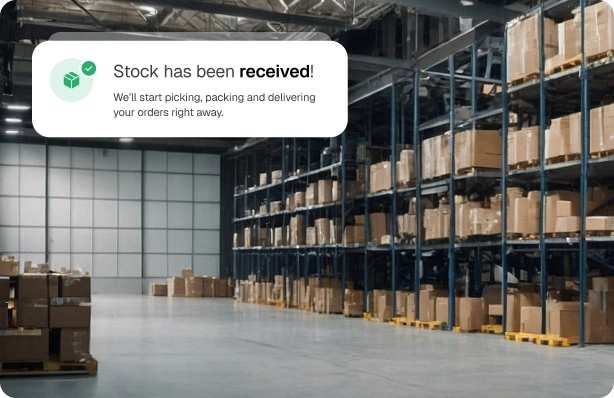
Lower shipping cost per order and faster delivery in each market, which is usually worth the extra capital.
Splitting stock across hubs ties up more total capital than holding everything in one place, since each hub needs enough buffer to cover local demand on its own. It is a real cost, not a hidden benefit.
Ready to see how a unified setup would change your operation? We'll walk through what it would take to bring your markets onto one system.
Get a quote →Even with distributed stock, some orders will still cross a border, and how that gets handled matters as much as where stock sits. The main decisions are:
Whether duties are paid upfront by you or by the customer on delivery.
What's required per shipment and who prepares it.
Showing landed cost upfront rather than surprising the customer at delivery.
Holding local stock removes most cross-border friction for orders inside that market, but any order still crossing a border needs one of these decisions made correctly.
This is where most 3PLs are genuinely weakest, and it's a real buying criterion for anyone already operating across multiple countries. A proper multi-market setup gives you:
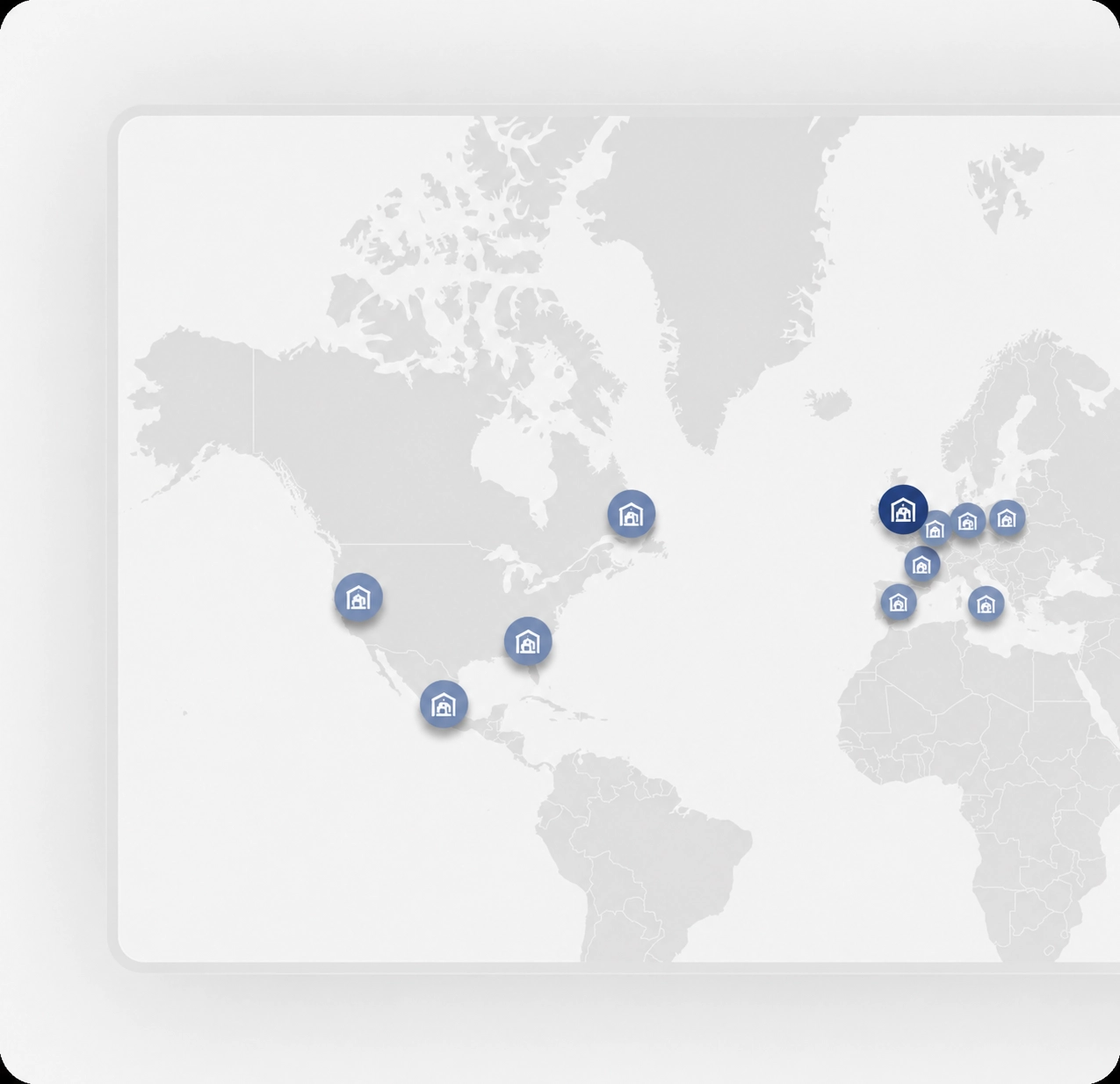
Stock levels across every hub in a single view.
Orders routed automatically, not manually per market.
Integration with your platform and every marketplace you sell on.
Reporting across markets instead of manual reconciliation.
Note this applies to selling in multiple countries, which is a different problem to selling on multiple platforms. For that, see multi-channel fulfilment. For the systems behind multi-country visibility, see 3PL warehouse management systems and ecommerce order management software.
Multi-channel fulfilment →Not every market you sell into needs its own local stock. The decision usually comes down to a few factors:
A market with modest but steady volume can often be served cross-border from a neighbouring hub rather than justifying its own stock.
Choosing where to hold stock first →Brands running Gonini across multiple countries manage every market from a single dashboard, with no separate login or re-onboarding step required to bring a new one online.

International fulfilment means storing and shipping stock to customers outside your home market, either from a central hub or from local stock closer to demand. See international fulfilment services for how the two approaches differ.
A fulfilment service stores your stock, receives orders through an integration with your store, and handles picking, packing, shipping and returns on your behalf. Read what 3PL services include for the full picture.
Ecommerce brands of every size use fulfilment centres, from single-market sellers outsourcing for the first time to multi-country operators managing stock across several hubs at once.
Usually not. Local stock makes sense where order density and margin justify it; lower-volume markets are often served more efficiently from a neighbouring hub. See choosing which markets to stock for how to work that out.
Not sure which markets need their own stock? Get in touch, and we can look at your order data together.
